

What Does the Next Generation of Manufacturers Need to Lead?
This year’s POWER conference tackled a wide range of industry challenges across manufacturing. But one of the most impactful conversations centered around a challenge manufacturers have been grappling with for years now: the labor shortage. Attracting and retaining manufacturing professionals remains a challenge, especially as the baby boomer generation continues to retire in droves. Despite ongoing conversations around workforce development, many shops are struggling to fill critical roles and build sustainable talent pipelines.
But there’s also a major opportunity ahead: Generation Z, the demographic born between 1997 and 2012, is pursuing careers in the skilled trades at much higher rates than their millennial counterparts.
According to a survey conducted by Resume Builder last spring, 42% of Gen Z adults are working in the skilled trades, including manufacturing. This increase is happening for a number of reasons, including rising college tuition costs and promising earning potential. In addition, this generation has shown an interest in meaningful, hands-on work, especially as they witness and hear of AI making many professions redundant.
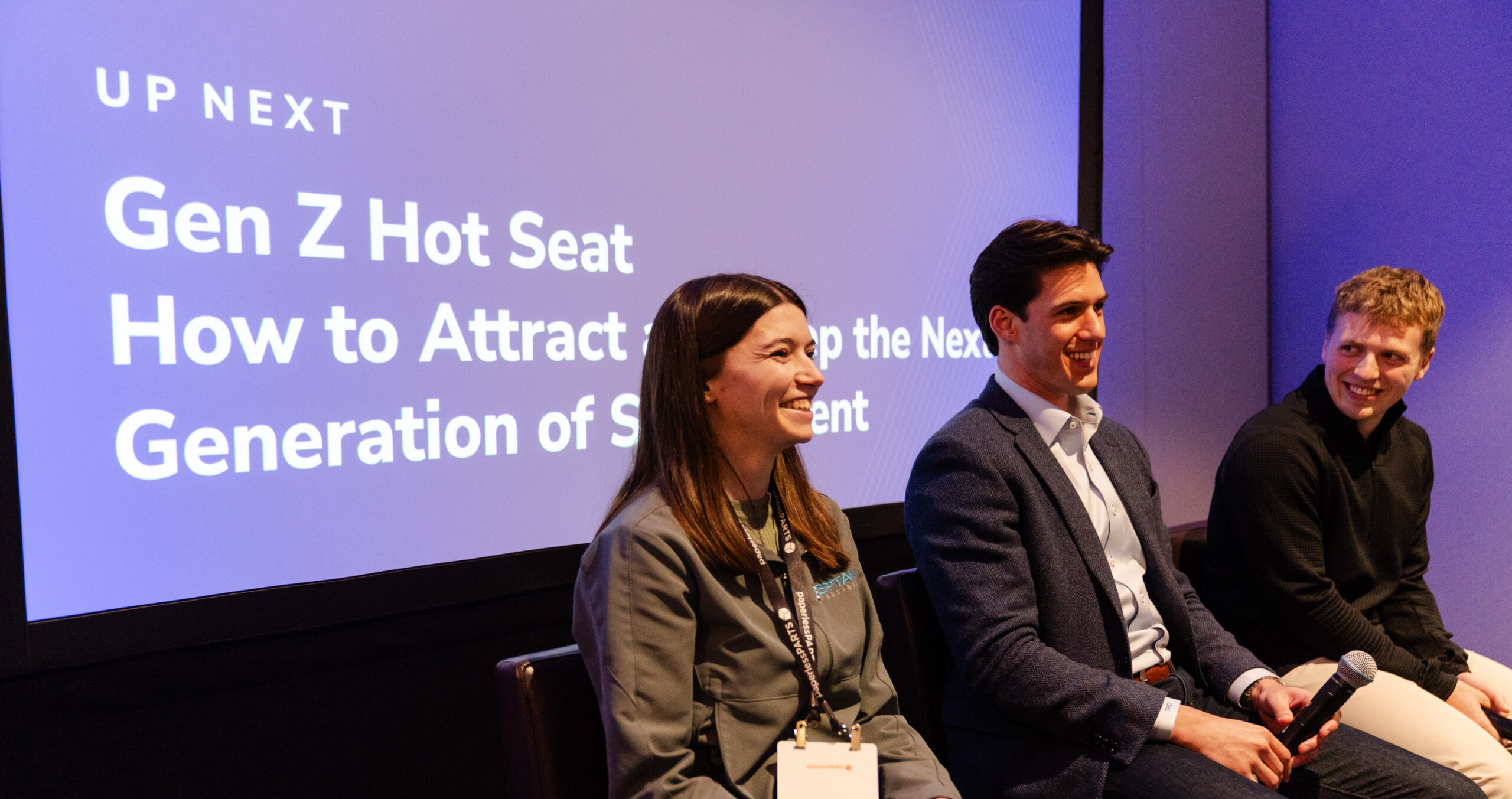
To better understand what young professionals are looking for and how modern technologies like Paperless Parts can help, we invited several early-career manufacturing professionals into a “Gen Z Hot Seat” panel at POWER 2026.
This session was moderated by Pete Tamasi, a fellow Gen Z-er who offered a unique perspective, having built his career across both Paperless Parts and in manufacturing shops. The panel also featured:
- Haley Laliberte, Business Development Engineer at EPTAM Precision Solutions
- Thomas Deslongchamps, Director of Training & Continuous Improvement at Pindel Global Precision
- Grant Wiser, Business Solutions Specialist at Klesk Metal Stamping
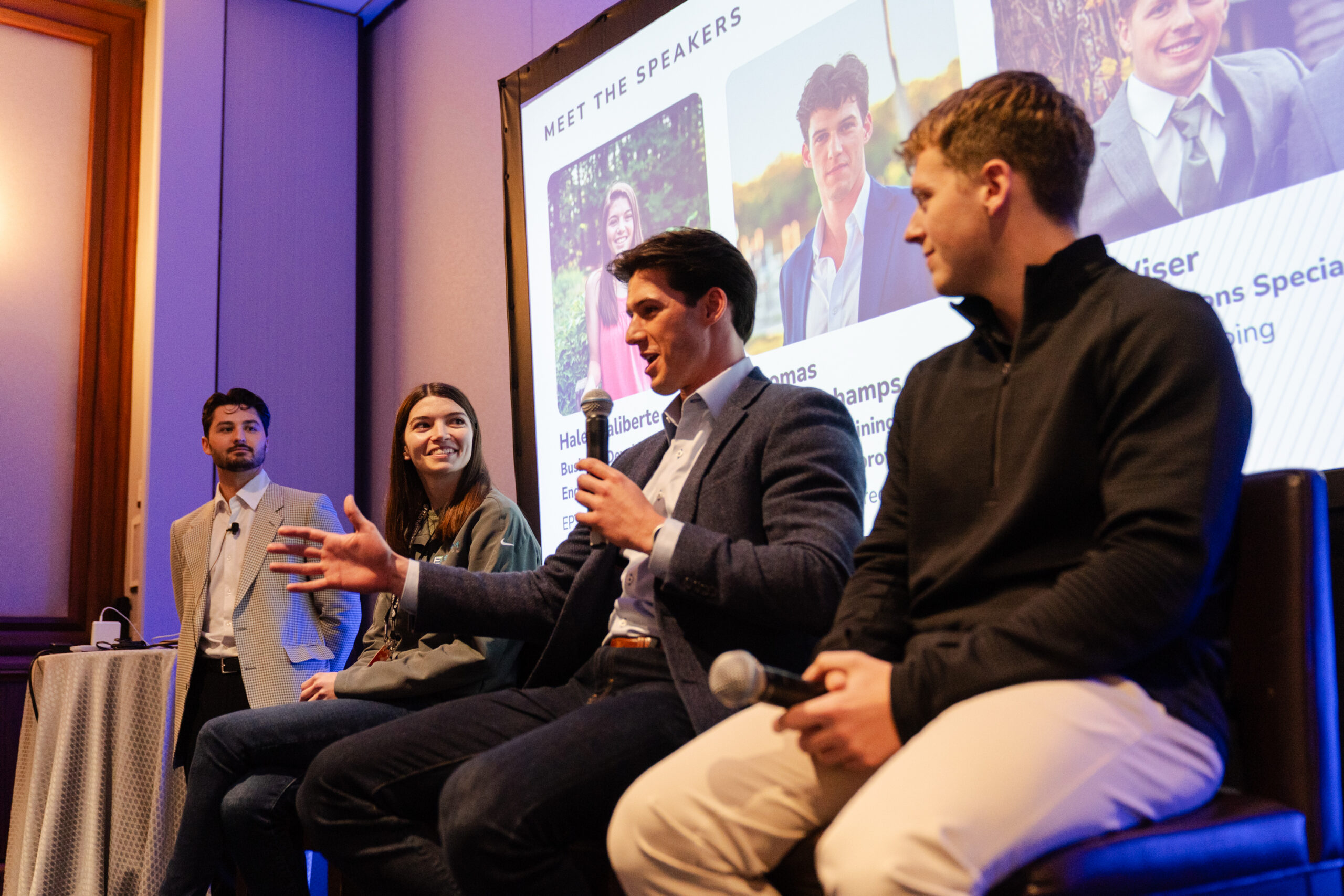
From left to right: Pete Tamasi, Haley Laliberte, Thomas Deslongchamps, and Grant Wiser.
All three panelists’ backgrounds varied, but one thread tied them together: they’ve successfully worked their way up into strategic roles at their respective companies. Haley is in charge of optimizing the flow of work across a multisite organization to maximize efficiency and profitability. Thomas leads the implementation of upskilling and new technology programs. Grant entered the manufacturing world less than a year ago and is already leading improvement initiatives across quoting, sales, and marketing.
And nobody’s over 25.
Their goal was to challenge some of the assumptions manufacturing leaders may have about the next generation of talent and give the room a more honest look at what actually matters to younger employees: ownership, trust, visibility into the bigger picture, and a clear path to keep growing.
Here are some of the major takeaways from this session:
How Shops Can Attract Young Talent
There’s a misconception that young talent isn’t out there. What seems to really be the case is that there’s no shortage of individuals who would be a great fit for manufacturing, they just don’t realize the exciting and impactful opportunities that exist within the industry. That’s why manufacturing leaders must take initiative and meet prospective talent where they are.
Connections Matter
During the session, Pete polled the room, asking how many attendees entered manufacturing through a personal connection. Roughly half the room raised their hands.
Whether through mentorships or partnerships with educational institutions, building connections is one of the most effective ways manufacturers can build and sustain a strong talent pipeline.
So how can shops spark interest earlier in young folks’ careers? Some of the most effective outreach strategies outlined during the panel included:
- Hosting shop tours for students from local high schools, vocational schools, and community colleges
- Building internship programs with those schools
- Participating in local workforce development and trade education events
- Connecting students with manufacturing professionals through mentorship programs
For many young people, touring a manufacturing facility or speaking with someone in the industry may be the lightbulb moment that helps them realize manufacturing could be the right career path for them.
What Does the Best Talent Look Like?
Education and experience certainly matter, but as our Gen Z panelists emphasized, many technical skills can be taught and developed over time. What’s often harder to teach are the personal qualities that make someone successful in manufacturing, such as:
Accountability and Ownership
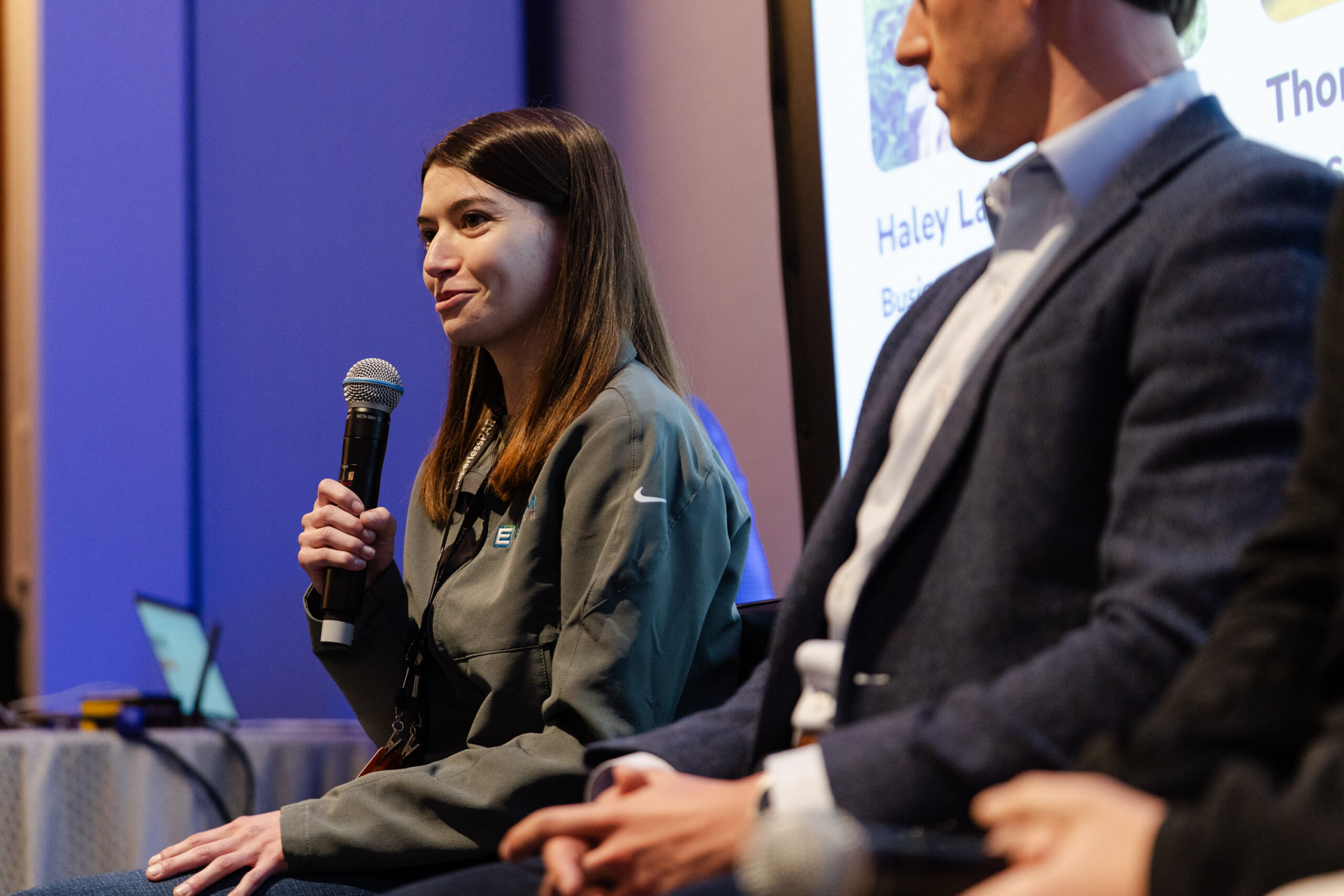
Haley Laliberte shared her favorite question to ask candidates in an interview: “Tell me about a time you made a mistake and how you overcame it.”
As she pointed out, mistakes are inevitable in a fast-moving manufacturing environment. Most people who have ever run a machine in their careers have either broken a tool or had a near-miss. But it’s not the mistakes themselves that define someone; it’s how they respond. The best candidates take ownership and learn from their experience to avoid repeating the same mistake, rather than making excuses or passing off blame.
Strong Problem-Solving Abilities
Contract manufacturing professionals are constantly solving complex problems, whether it’s improving a process or finding new and efficient ways to meet customer demands. People who genuinely enjoy solving challenges tend to thrive in manufacturing environments, where no two days are exactly the same.
Collaborative, Team-Oriented Attitudes
Manufacturing environments depend heavily on collaboration. Teams are constantly working together across departments to solve problems and improve processes, often going beyond the specific duties of their own job to support others.
Because of that, hiring managers should look out for candidates who are willing to contribute beyond their individual responsibilities and embrace an all-hands-on-deck approach.
Willingness to Learn and Grow
Our industry is constantly evolving. The world of precision machining looks different than it did five years ago, and chances are it will look a whole lot different five years from now.
For that reason, talent that is curious and coachable can become incredibly valuable long-term contributors.
Attracting Talent Is Half the Battle: What About Retention?
The Gen Z panelists stressed that young professionals want to see a future for themselves within an organization. Their own sense of fulfillment is directly tied to feeling their employer is invested in their development and growth.
To retain the talent pool you’ve worked so hard to attract, manufacturers need to actively invest in the growth of their people by:
- Encouraging continuous learning and upskilling opportunities
- Facilitating reviews and conversations about growth trajectories
- Exposing employees to different areas of the business
For example, if someone shows a strong interest in quality assurance, give them opportunities to explore that side of the business. Or if another team member is passionate about the quoting side, expose them to that function.
Since this was at a Paperless Parts user conference, it was only natural to discuss how Paperless Parts plays into the equation. All three panelists shared how the platform can enable more junior talent to get involved in the estimating process with built-in guardrails and automations that help teams stay on track without adding unnecessary risk. This frees up time for other more senior team members to focus on strategic work that drives the business forward.
The more your people feel their careers are progressing within the organization, the more likely they are to stay engaged long-term.
“Am I Training My People to Leave?”
The discussion addressed a concern many employers have: the risk of investing heavily in employee development only to have someone leave for an opportunity elsewhere.
But, as the panelists pointed out, failing to invest in people carries its own risks. Employees who feel stagnant and unsupported in their roles are also likely to leave.
The goal shouldn’t be to keep employees trapped in one place. It should be to create an environment where people continually grow and where the culture and opportunities make them want to stay.
What Gen Z Wants: Meaningful Work
One resounding opinion connected every Gen Z in the room: no matter how they got into the field, the bigger picture of what they’re accomplishing is the reason they stay.
Watching raw material transform into precision parts is exciting, but learning where those parts ultimately end up is what creates lasting fulfillment.
Communicate the “Why”
Manufacturing companies have incredibly compelling stories to tell, but too many undersell them.
Consider the difference between these two messages:
- “Our company bends and cuts metal.”
- “Our company produces components that support aerospace operations, medical devices, transportation infrastructure, defense systems, and other critical applications.”
The first message describes the task. The second connects it to the real-world impact.
The parts manufacturers produce help save lives in medical settings, protect our soldiers in combat, enable space exploration, contribute to the bridges and transportation systems that keep our society moving, and more.
For a generation that values purpose-driven work, communicating that big picture makes a world of difference.
_
Lexi Goyette is a Content Writer for Paperless Parts’ Marketing Solutions department: our in-house team that knows buyers and manufacturers inside and out. Click here to learn more about how Lexi and her team can help you better market your shop and attract the next generation of talent.