

How to Stay Disciplined Through Manufacturing Growth
Athena Manufacturing is up 50% from last year, and President Matt Newman says the company may need to double next year.
And while explosive growth creates plenty of opportunity, it also gives Matt a lot to keep an eye on; more demand can expose a shop just as quickly as it can grow one.
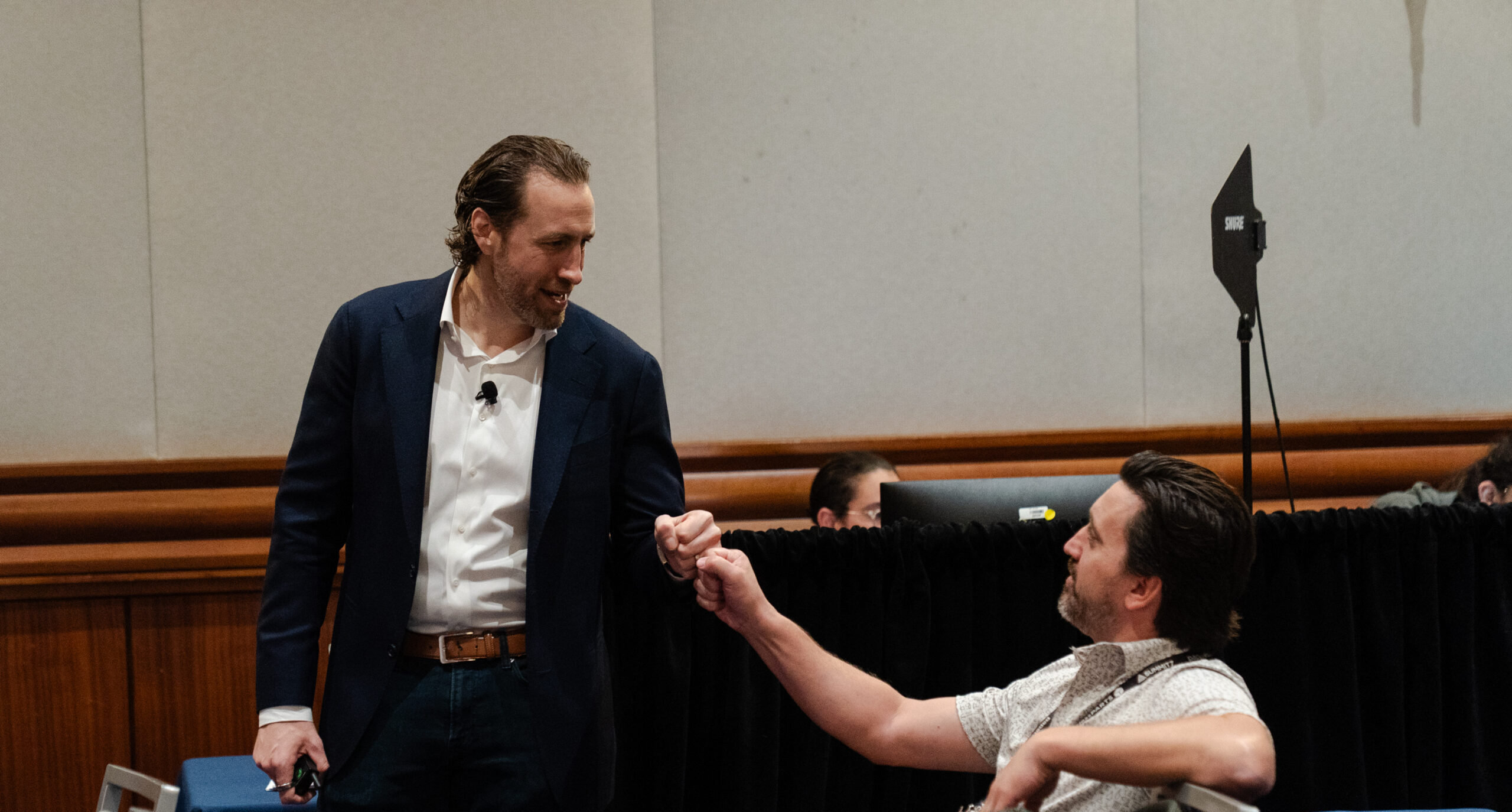
In the latest episode of the Cutting Through the Noise podcast, Paperless Parts CEO Jason Ray sat down with Matt to talk about how he is leading Athena through disciplined growth. Here are the top six things Matt is closely managing:
Prefer to listen? Tune in to the full podcast episode.
1. He keeps a very close eye on the numbers
Matt spent more than a decade as Athena’s controller, and says he never really stopped being one. Margins and cash flow are still a big part of how he evaluates the business. When growth requires more hiring and investment, bringing in more revenue only helps if the work is profitable enough to support it.
In Matt’s words, “We don’t make parts and tape dollar bills to them.”
2. He looks months ahead when thinking about capacity
Athena’s team reviews capacity weekly through a long-term lens. Every Monday, they look across work centers for the next six months. If one is getting overloaded, they identify the jobs consuming the most time and figure out where they can improve the process or move the work. This gives the team a better idea of where the real bottlenecks are before they start throwing more equipment at the problem.
Matt is also pretty candid that Athena is still working on getting this right; understanding true capacity is hard, even for a shop that spends a lot of time thinking about it.
3. He treats automation as a long-term investment
Athena bought its first FMS line in 2017. Since then, the company has added robotic welding and four cobots to the floor.
Matt has also seen firsthand how long it can take to get automation working the way you want it to. A cobot application may take around three months to get running. A more traditional automated production line can take closer to nine months once programming, fixturing, inspection, and process improvement are factored in.
So as Athena grows, automation is something Matt is thinking about well before the shop runs out of room.
4. He is selective about where new technology earns a place in the business
Matt is interested in AI, and Athena is already using it. He is also fairly skeptical of using it everywhere simply because the technology exists.
One application he likes is purchase order processing. Athena can pull information from an incoming PO, compare it with information in Paperless Parts and its ERP, check things like material availability and prior costs, and quickly get a better picture of whether the work can be made profitably and on time.
5. He deliberately leaves more decisions to his team
Moving into the president’s seat changed how Matt interacted with a business he already knew extremely well; his first instinct was often to jump in and solve a problem himself, but over the past year, he has made a conscious effort to do less of that.
When a manager brings him an issue, Matt asks for their solution. Then he asks questions about how they got there. Sometimes he can see a mistake coming and lets it play out if the stakes are low enough.
It has required a little restraint on his part, but Matt says the approach has helped create more resilience and curiosity across the management team.
6. He is building the workforce Athena will need before it needs it.
Matt does not expect Athena to hire its way through the skilled labor shortage.
The company has a Department of Labor apprenticeship program and partnerships with several local high schools. Students spend time inside Athena learning about machining, welding, and robotics. Teachers also come into the shop to see the equipment and processes their students may eventually work with.
Matt gives a lot of credit to Athena’s HR team for building those programs. With the amount of hiring the company expects over the next several years, he sees that function as a big part of Athena’s ability to keep growing.
As he put it, experienced machinists and welders are hard to find. At some point, “you gotta train them yourself.”
Athena (like many job shop manufacturing businesses in the United States right now) has no shortage of opportunity. Matt’s focus is making sure the business can keep up with it by looking further ahead, being selective about where to invest, and building a team that can carry more of the load.
To stream the full episode, head over to our YouTube channel here.
Want to learn more about what it takes to thrive in today’s manufacturing industry?